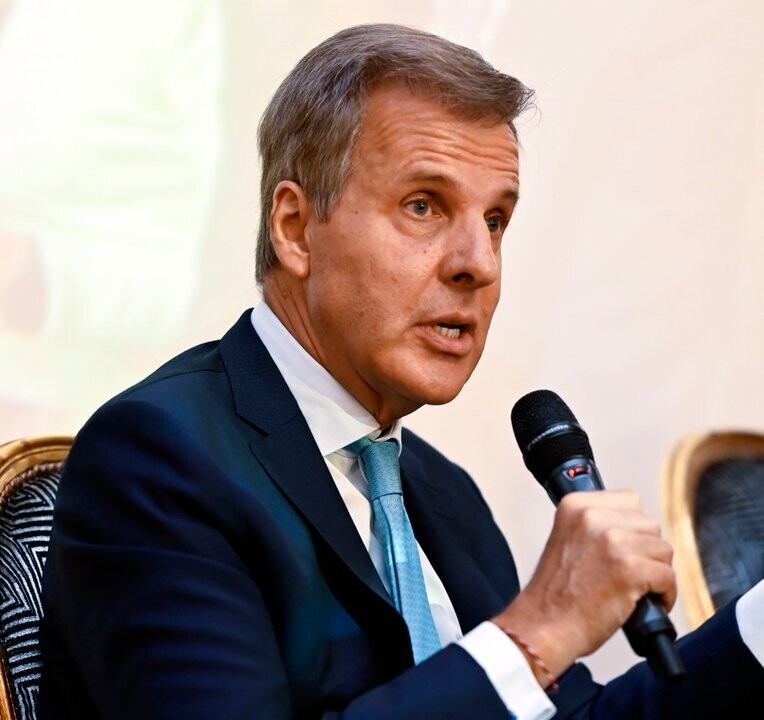
Buenos Aires, April 12 (NA) — Economist Martín Redrado stated that “Argentina is at a crossroads” as the country must choose between maintaining the budgetary balance or moving towards a model of productive integration. During an interview on Radio Splendid AM 990's program No Vale Arrugar, he emphasized that the challenge is not to abandon fiscal order, but to complement it with policies that boost production and employment. In this regard, as reported by the Argentine News Agency (NA), he warned about the impact of the economic situation on key sectors: “Construction, commerce, and industry have lost 300,000 jobs and continue to lose them.” “We must move towards a more integrated economy, not just think that agriculture, mining, and the energy sector are the three fantastic sectors that are doing well,” he stated, while highlighting that Argentina has regained interest abroad, though he clarified that this has not yet translated into concrete investments. Finally, Redrado considered that the government has a political advantage due to the lack of a consolidated opposition, but he alerted to institutional weaknesses. For Redrado, these data reflect that an orderly macroeconomy is not enough on its own if it does not translate into concrete improvements in activity and the labor market. The war in the Middle East complicates the government's goal of lowering inflation: what consultancies estimate. The former president of the Central Bank also stated that the fiscal balance “is irreversible” as of 2027, but insisted on the need to expand the productive matrix. “The government is walking in a desert and has that advantage,” he affirmed, and concluded: “We do not have a Central Bank with authorities that have a mandate validated by Congress, which does not generate certainty.”